Garage Shelves Full, Equipment Suffering: The Unused Filter Problem Nobody Talks About
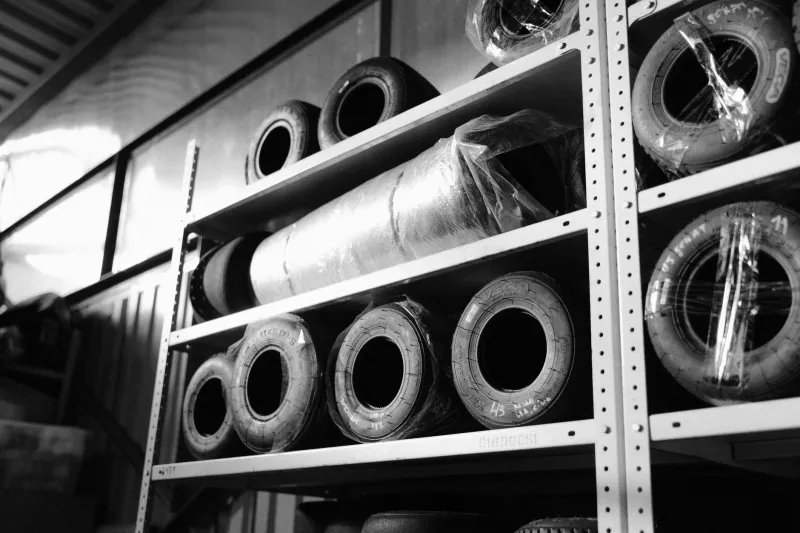
Walk into almost any American garage and you will find them: a stack of furnace filters leaning against the wall, a shrink-wrapped multipack still sealed from two winters ago, a few odd-sized filters purchased for a machine that was replaced years back. These filters were bought with the best of intentions. They were never installed.
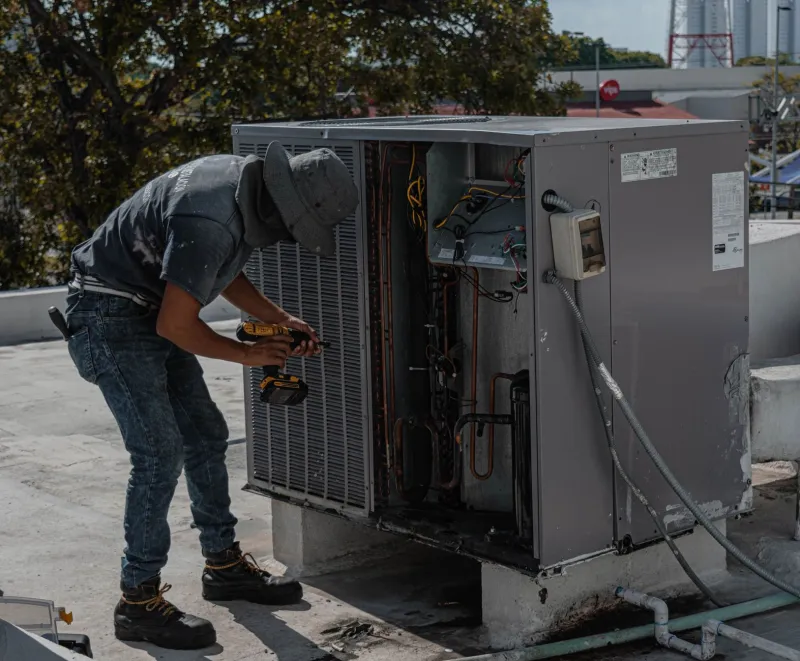
This is not a rare phenomenon. It is, in fact, one of the most consistent patterns observed among homeowners and small business owners who take equipment maintenance seriously—or believe they do. The accumulation of unused filters is a quiet, costly problem that sits at the intersection of purchasing psychology, logistics failures, and the very human tendency to confuse preparedness with action.
Why the Buying Impulse Feels Responsible
The decision to purchase extra filters rarely feels like a mistake at the moment of purchase. When a homeowner is already at the hardware store buying paint or light bulbs, a multipack of furnace filters in the display aisle seems like a logical addition to the cart. The price per unit is lower in bulk. The packaging often reinforces this logic with language about convenience and savings.
Small business owners face a similar pull. A restaurant owner replacing a range hood filter may purchase three extras to avoid a repeat trip. A property manager overseeing multiple units may order filters in bulk to simplify logistics. In each case, the purchase feels like responsible planning.
The problem is that purchasing filters is not the same as maintaining equipment. The filter sitting in a box on a shelf is doing exactly nothing for the HVAC system running in the next room.
The Miscalculation That Starts the Pile
Most filter hoarding begins with a simple miscalculation. A homeowner replaces a furnace filter, purchases a four-pack as backup, and then forgets the replacement schedule. Three months pass, then six. By the time the next replacement occurs, the homeowner purchases another set—because the original backup pack has been forgotten, moved, or is now stored in a different location.
Consider a common scenario: a family purchases a home with a 1-inch HVAC filter, buys a multipack, and changes the filter twice. Then they upgrade to a media cabinet with a 5-inch filter. The old 1-inch filters have no application but remain on the shelf indefinitely. They are not thrown away because they were paid for. They are not used because they no longer fit. They simply accumulate.
This pattern repeats across appliance categories. Water filtration systems get upgraded. Vacuum models change. Portable air purifiers are replaced with whole-home units. Each transition leaves behind orphaned inventory that occupies physical and mental space without delivering any maintenance value.
What Happens to Filters in Storage
A filter sitting unused is not simply waiting to perform its job. Depending on storage conditions, it may be actively degrading.
Fiberglass and pleated synthetic filters absorb ambient humidity over time. In a garage environment—where temperatures can swing dramatically between seasons and moisture is rarely controlled—the structural integrity of filter media can be compromised long before the filter is ever installed. The adhesive bonding the media to the frame may weaken. Pleats can collapse or deform. Electrostatic charges embedded in some filter materials during manufacturing dissipate within months of exposure to real-world conditions.
A filter that has spent two summers in a hot garage may look perfectly functional when removed from its packaging. It may even fit correctly in the housing. But its actual filtration efficiency will be materially lower than what the label specifies. The homeowner who installs it believing they are protecting their equipment is, in fact, installing a degraded product.
The Emotional Architecture of 'Just in Case'
Beyond logistics, there is a psychological dimension to filter accumulation that deserves honest examination. For many homeowners, stockpiling filters is an expression of anxiety about equipment failure rather than a rational maintenance strategy. The fear of a furnace breaking down on a cold January night, or an air purifier failing during wildfire season, drives purchasing decisions that prioritize the feeling of preparedness over the practice of it.
This is compounded by the fact that filter replacement is an invisible task. Unlike a leaking faucet or a flickering light, a clogged filter produces no immediate, visible signal. The discomfort of not knowing whether the filter has been changed is resolved—emotionally, at least—by purchasing a new one. Whether that filter ever gets installed is a separate question that the brain is less motivated to answer.
A Practical Framework for Breaking the Cycle
Addressing the unused filter problem requires both an audit of existing inventory and a structural change to purchasing and replacement habits.
Step one: Conduct a full inventory. Pull every filter from every storage location in the home or facility. Identify the dimensions, MERV rating, and approximate purchase date of each. Cross-reference against every piece of equipment currently in use. Any filter that does not correspond to active equipment should be evaluated for donation, recycling, or disposal.
Step two: Establish a maximum on-hand quantity. For most households, holding no more than one replacement filter per equipment unit is sufficient. A two-pack for a single HVAC system is reasonable. A six-pack purchased because the per-unit cost was attractive is almost certainly more than will be used before the filters degrade.
Step three: Link purchasing to scheduled replacements, not to shopping trips. The most effective filter maintenance programs treat replacement as a calendar event rather than an impulse purchase. When a filter is replaced, the next replacement is scheduled immediately. A new filter is purchased approximately two to four weeks before that scheduled date—not months in advance.
Step four: Store remaining inventory correctly. Filters that must be held in advance should be stored indoors, in a climate-controlled environment, away from moisture and temperature extremes. Original packaging should remain intact until installation.
The Real Cost of the Pile
The financial cost of unused filters is straightforward to calculate: every filter that degrades on a shelf before installation is money spent with no return. But the less obvious cost is the equipment damage that accumulates while those filters sit unused and the installed filter goes unchanged.
A well-stocked garage shelf is not evidence of good maintenance habits. It is often evidence of the opposite—purchasing that substitutes for action, and inventory that provides comfort without delivering protection. The equipment running in your home does not benefit from filters in storage. It benefits only from filters that are correctly installed, on schedule, every time.