Automate, Subscribe, or Sticky Note: Ranking the Tools Promising to End Filter Forgetfulness
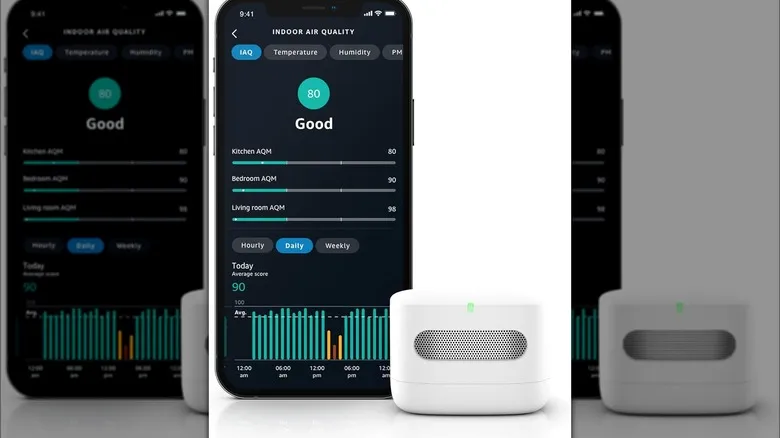
Photo: smart home air filter sensor smartphone app reminder, via www.slashgear.com
Forgetting to change a filter is the most preventable form of equipment neglect in the American home, and the market has noticed. A small industry has formed around the problem: subscription auto-ship services, smart filters with onboard pressure sensors, and reminder apps that ping your phone on a schedule. All three claim to end the "I forgot" era. Only some of them earn their keep.
Tier One: Subscription Auto-Ship
The most established option is also the simplest. You enter your filter size and preferred replacement interval; filters arrive at your door on that cadence. The arrival of a physical box is itself the reminder — it sits by the door until dealt with.
Where it succeeds: Consistency. Subscribers change filters more reliably than any other cohort, largely because the supply problem disappears. For homeowners with non-standard sizes — an odd 20x20x1 or a whole-house media filter — the subscription eliminates the trip to a big-box store that may not stock the size anyway.
Where it falls short: Price and inertia. Per-filter pricing often runs above retail, and subscribers who move, downsize, or upgrade their HVAC frequently forget to update the subscription, producing a drawer of useless filters — a problem this publication has covered before. A subscription that outlives its relevance is not maintenance; it is a recurring charge.
Verdict: Strong value for busy households with standard or hard-to-find sizes. Audit the subscription annually.
Tier Two: Smart Filters and Pressure Sensors
The high-tech option measures what actually matters: pressure drop across the filter media. As a filter loads with particulate, airflow resistance rises; a sensor detects the threshold and notifies an app. This is genuinely superior information — it replaces the calendar with the filter's actual condition. A home with two shedding pets and a renovation project will get notified sooner than the calendar says; an empty-nest household may stretch a filter well past 90 days safely.
Where it falls short: Cost and ecosystem lock-in. Sensor-equipped filters and their hubs carry meaningful premiums, and most require a proprietary filter supply, binding you to one vendor's pricing. The technology is sound; the economics favor larger homes with variable dust loads, where calendar-based guessing wastes the most money.
Verdict: Worth considering for high-load environments and households that want condition-based maintenance. Overkill for a standard three-bedroom with one shed-free dog.
Tier Three: The Low-Tech Arsenal
Do not dismiss the humble alternatives. A $4 pack of sticky notes on the utility room door, a recurring calendar event with the filter size in the event title, or a grease-pencil date written directly on the filter frame edge solve the reminder problem at trivial cost. Writing the installation date on the filter's cardboard frame remains the single highest-value habit in home maintenance: it answers "how old is this one?" for the next person who opens the slot.
Verdict: For households with standard filters and a functioning memory-adjacent routine, this tier delivers 90 percent of the benefit at 5 percent of the cost.
The Decision Framework
A practical rule of thumb:
- Standard sizes, stable household, modest dust load: calendar reminder plus a written date on the frame. Done.
- Hard-to-find sizes, frequent travel, or a history of forgetting: subscription auto-ship, audited yearly.
- Pets, renovations, wildfire smoke seasons, or variable occupancy: pressure-sensing smart filters, where condition-based replacement genuinely pays.
The common thread across all three tiers is not technology — it is the conversion of a memory task into a system. Whichever tier you choose, the filter you actually change on schedule is always the right one. The most expensive option is still the unplanned one: the blower motor that fails in August because nobody remembered the slot existed.